

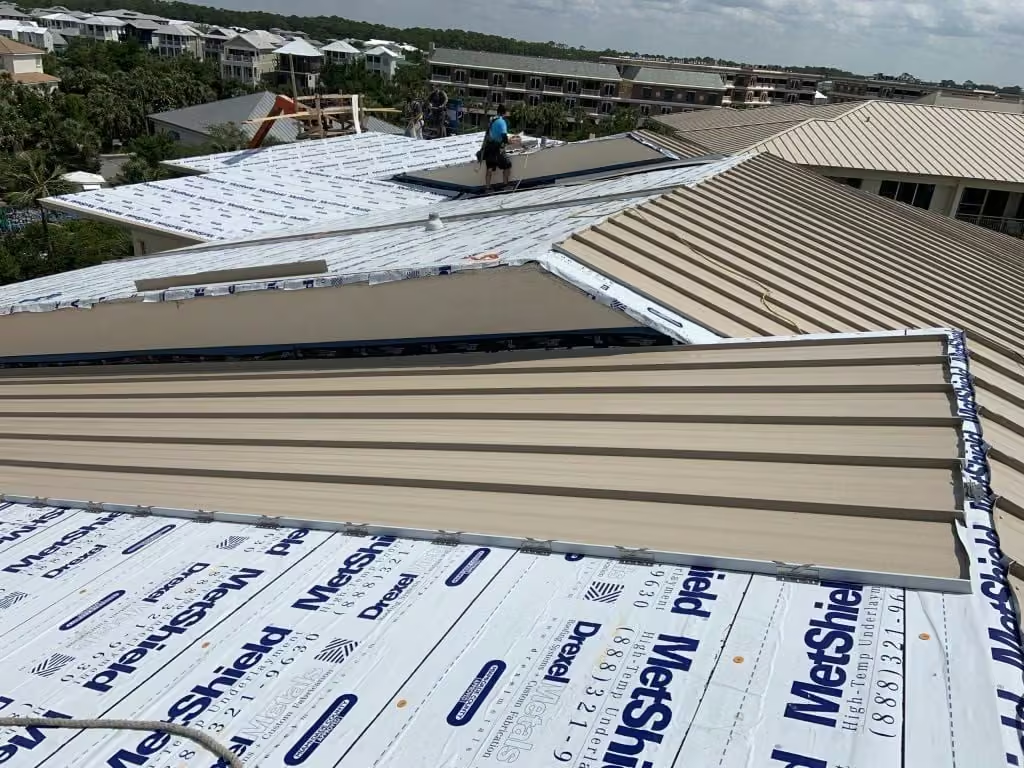


Does infrared see through walls?
No. Infrared reads surface temperature. Moisture behind a surface changes how that surface holds heat, which is what makes the wet area visible on the scan.
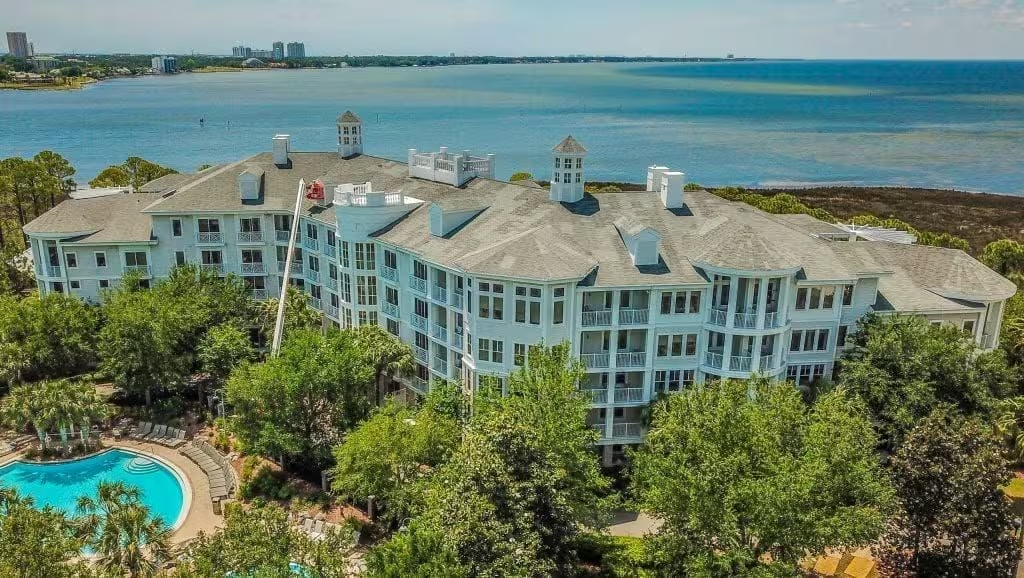
Infrared locates water at its source instead of where it surfaces. That is the difference between opening one wall and opening five.
Leak detection and infrared surveys help associations find water intrusion before major damage occurs. Infrared thermography reads surface temperature differences, and wet material holds and releases heat differently than dry material, so moisture inside a wall, ceiling, or floor assembly appears as a pattern on the scan.
The method is non-destructive. Nothing is opened to run the survey, which means the investigation itself does not add to the repair scope.
Beyond moisture, the same scan can determine the source of air leaks, locate missing insulation, and find moisture beneath the roof membrane of low-slope roofs. It can also surface certain structural conditions in masonry, along with mechanical and electrical issues such as shorts in wiring or bearings and bushings running hot in heavy equipment, all without damaging existing building components.
We provide these services through the Continuing Engineering Services plan and on an as-needed basis at the request of the association.
No. Infrared reads surface temperature. Moisture behind a surface changes how that surface holds heat, which is what makes the wet area visible on the scan.
When there is a real temperature difference across the assembly, which on this coast usually means early morning or after sunset following a warm day, and ideally within a day or two of a significant rain event.
Page reviewed
Send the building, the site, and the timeline. A licensed engineer will tell you what we would actually do.